Criticism
On the Persistence of the Made Thing
Notes toward a theory of endurance
- Reviewer
- The Editors
- Published
- Reading
- 1 min read
Every object that survives is an argument — not only for its own value, but for the possibility of value itself lasting through time.
We speak loosely of things "standing the test of time," as though time were an adversary with a standard against which things are held. But time has no standard. It has only duration. The test is ours — the accumulated weight of human decision about what to keep, what to discard, what to copy, what to let perish.
The Selection Problem
When we say a work has lasted, we rarely mean it has simply not been destroyed. We mean it has been chosen, repeatedly and by many, to persist. Someone made it. Someone kept it. Someone showed it to someone else. Someone thought it worth the effort of moving it when they moved, of protecting it when things were threatened.
This is not a passive process. Duration is manufactured.
What the Made Thing Knows
There is something the made thing knows that its maker did not know at the moment of making: what it is like to still be here. The Artefakt carries within it the trace of every decision that allowed it to continue. In this sense, every surviving object is also a record of survival — a compressed history of human caring.
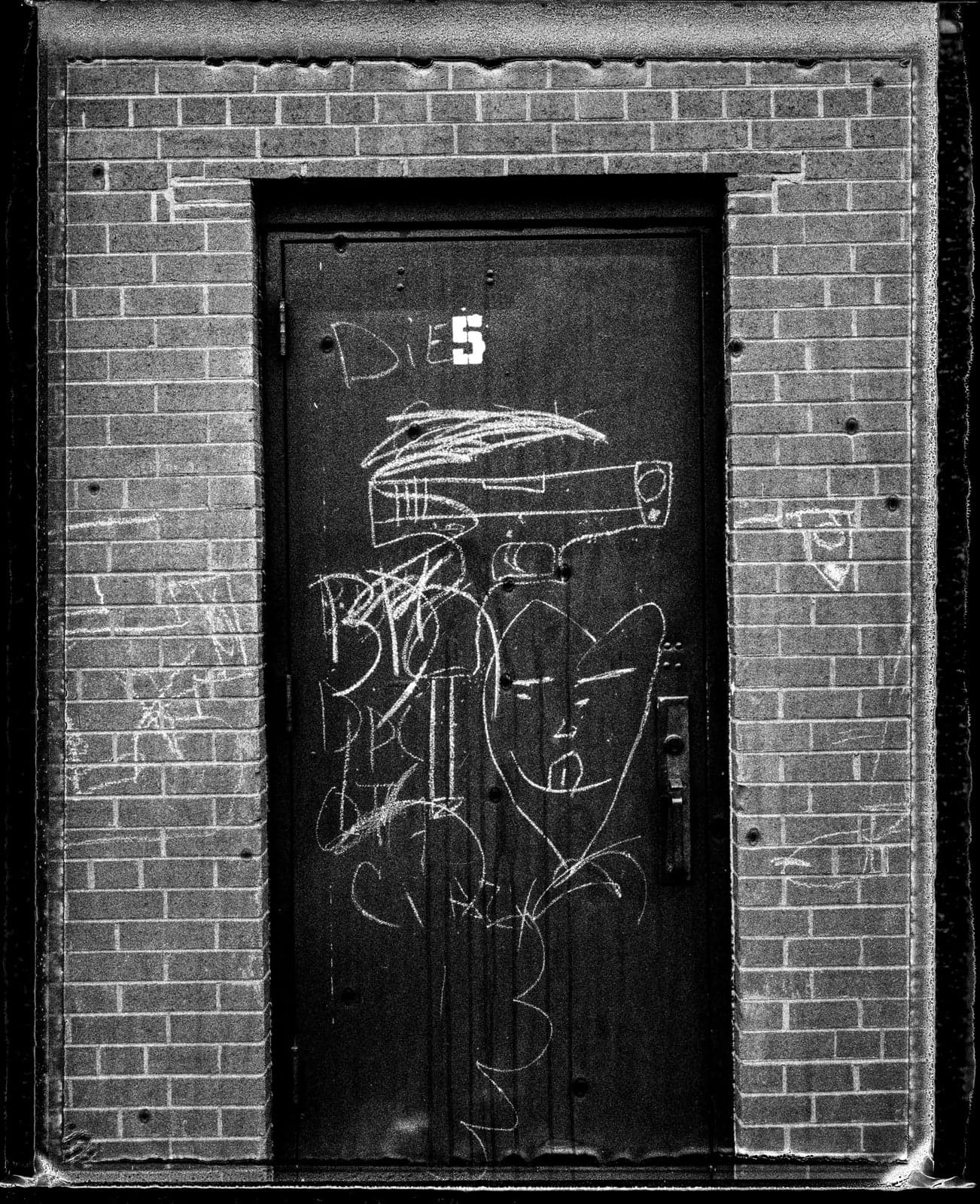
Images from this essay
All photographs are rights-managed and available for editorial licensing or as fine-art prints.
More in Criticism
Stay with the work.
New essays, delivered when they’re ready.