The House Remembers Everyone Who Left
Foreclosure Season, Chicago's South Side, 2008–2012
The first thing you notice is the light.
In a house that has been emptied — really emptied, not just vacated but stripped, the copper pulled from the walls, the fixtures gone, the carpets rolled and taken — the light moves differently. It has no furniture to land on, no curtains to filter it. It falls straight to the floor and stays there.
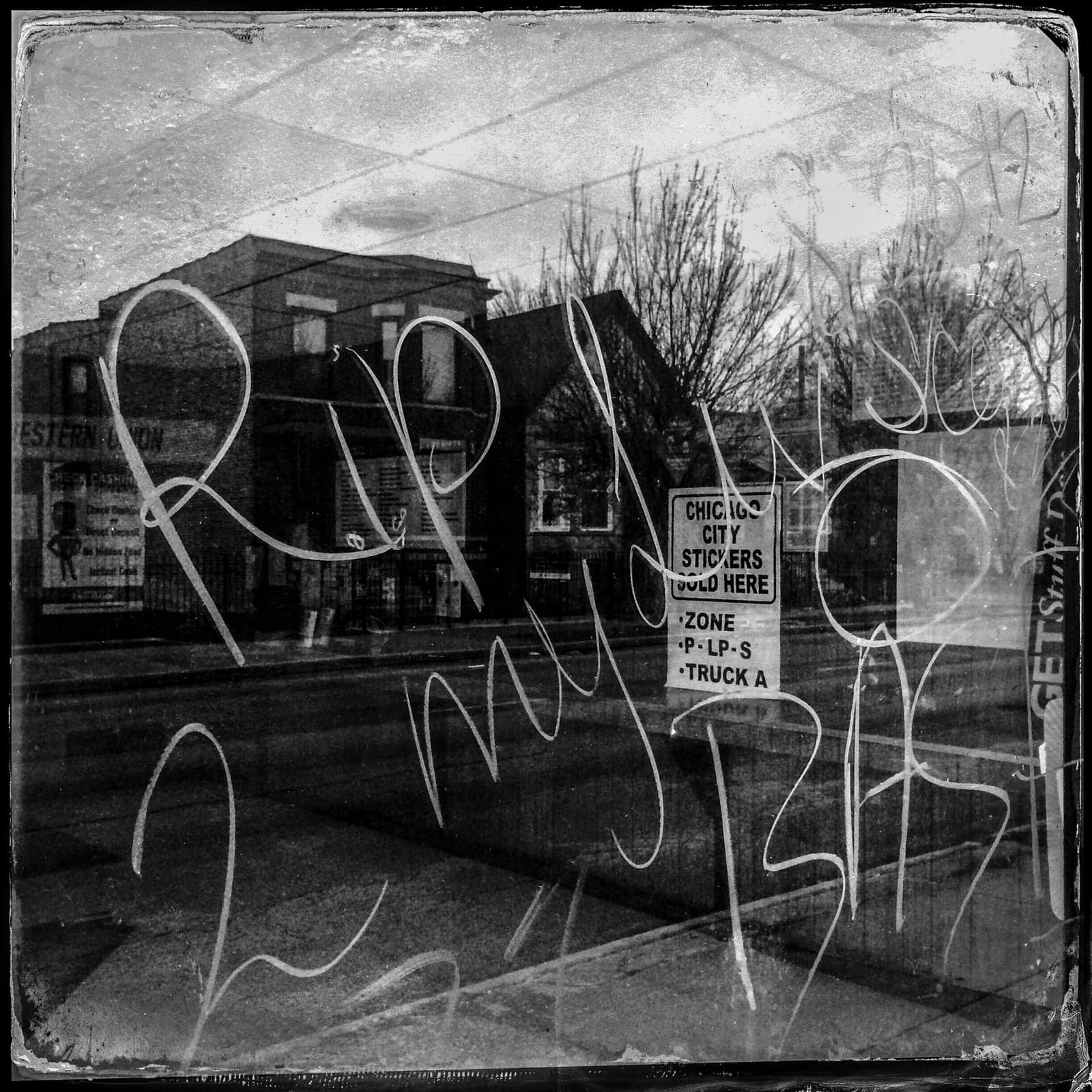
Between 2008 and 2012, I photographed more than two hundred homes on Chicago's South Side that had been lost to foreclosure. I was not documenting the crisis in any statistical sense. I was trying to understand what it looked like from inside a room.
What Remains
People leave things. This is the first surprise. You expect emptiness and you find instead a archaeology of the interrupted: a child's drawing still taped to a wall, a calendar stopped at a month three years past, a single shoe at the bottom of a closet.
These are not things people forgot. They are things people could not bring themselves to carry.
The Architecture of Loss
A house holds the shape of its occupants long after they are gone. The worn path in a hallway floor. The height marks penciled on a doorframe. The hook by the back door where a coat always hung.
Foreclosure does not erase these marks. It just removes the people who knew what they meant.
After
I still drive those streets. Some of the houses are gone — demolished, the lots returned to grass. Others were bought at auction, renovated, resold. A few are still standing empty, windows boarded, waiting for something that may not come.
What I carry from those years is not the statistics, though I know them. It is the light in those rooms. The particular quality of afternoon sun in a house that no longer knows what afternoon means.
Images from this essay
All photographs are rights-managed and available for editorial licensing or as fine-art prints.
More in Essay
Stay with the work.
New essays, delivered when they’re ready.