Two Cities, Two Houses, One Exchange
Notes on a demolition and what it left behind
In the spring of 2024, a house in Calgary's Inglewood neighbourhood was scheduled for demolition. It was a 1920s bungalow — wood-framed, single-story, the kind of house that cities like Calgary have been tearing down for thirty years to make room for infill development that never quite fits the street it replaces.
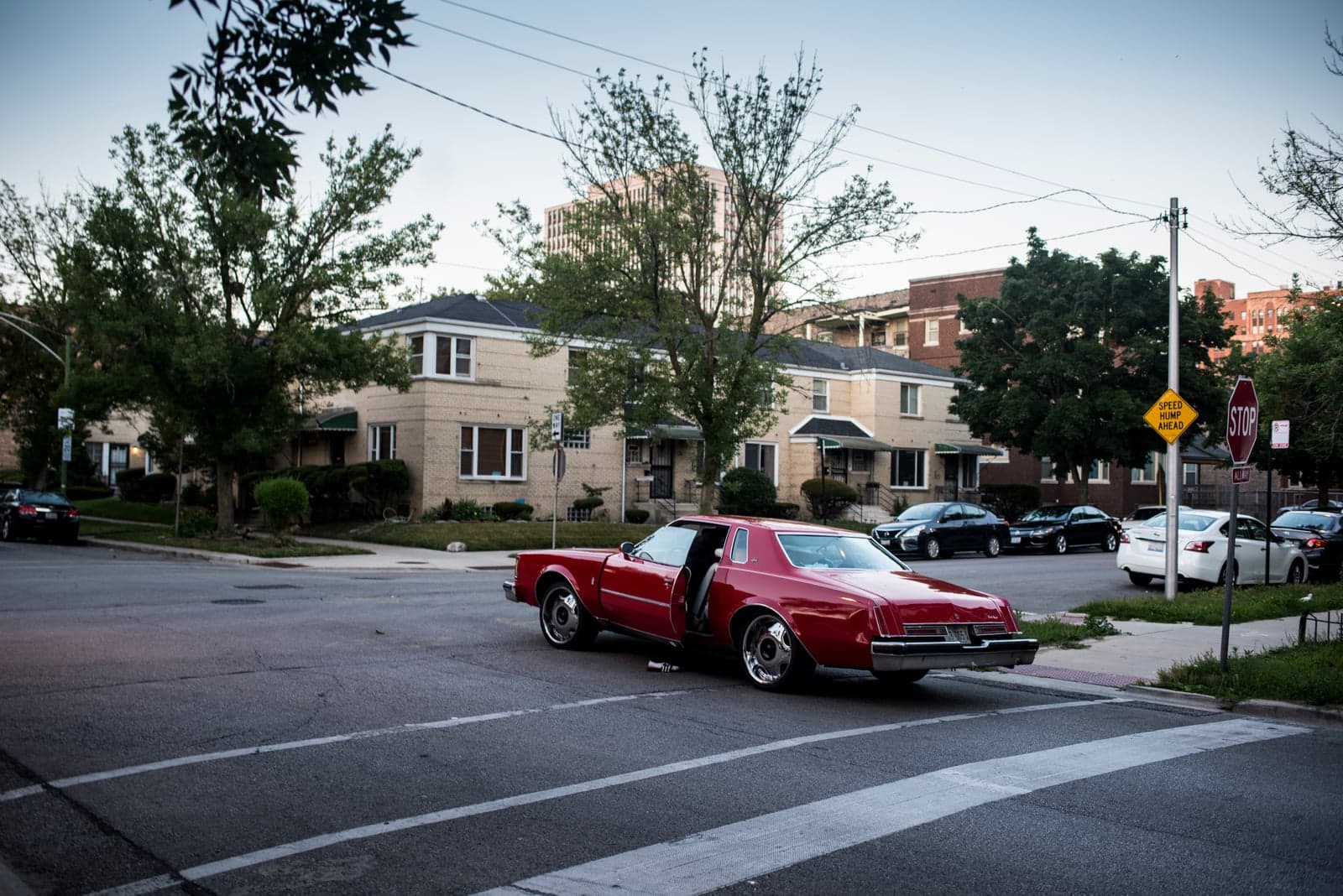
I had been photographing a house in Chicago's South Side for the better part of a decade. Different city, different context, different pressures — but the same essential condition: a house that the market had decided was worth more as land than as a place where people lived.
The Swap
The project began as a question: what would it mean to exchange these two houses? Not physically — that was impossible — but photographically, archivally, in terms of attention and record.
What if the Calgary house received the same documentary treatment usually reserved for sites of social crisis? What if the Chicago house was photographed with the elegiac care usually given to heritage architecture?
What the Swap Revealed
The answer, it turned out, was that the two houses were more similar than their contexts suggested. Both had been built by people who expected them to last. Both had been maintained by people who understood maintenance as a form of respect. Both were being ended not because they had failed, but because the land beneath them had become more valuable than the lives lived on top of it.
What Remains
The Calgary house is gone. The Chicago house is still standing — for now.
What remains of the Calgary house is a set of photographs, a floor plan drawn from memory by the last tenant, and a small archive of objects salvaged before the demolition: a door handle, a window latch, a length of the original baseboard.
I don't know what these objects mean yet. I know they mean something.
Images from this essay
All photographs are rights-managed and available for editorial licensing or as fine-art prints.
More in Essay
Stay with the work.
New essays, delivered when they’re ready.